
Group Therapy & Workshops
Groups and workshops offer a unique kind of support: connection, structure, and shared learning. Many people feel less alone when they can hear others’ experiences in a respectful, guided setting.
Support, Skill-building, and Connection


Groups can be skill-building, support-focused, or experiential. Offerings may change throughout the year based on clinician availability and community needs.
Current Offerings

Resilience and Renewal
Holistic Support for Cancer Patients and Caregivers

Art Therapy Group For Teens
Join The Cabin’s Art Therapy Group for Teens, where creativity becomes a tool for self-expression, personal growth, and connection.
Types Of Groups Offered

Skill-building Groups
These groups teach practical coping strategies and emotional regulation tools, often with exercises and take-home practice so skills carry into daily life.

Support Groups
Support-focused groups offer space to share experiences and reduce isolation, especially during grief, transitions, or chronic stress seasons.
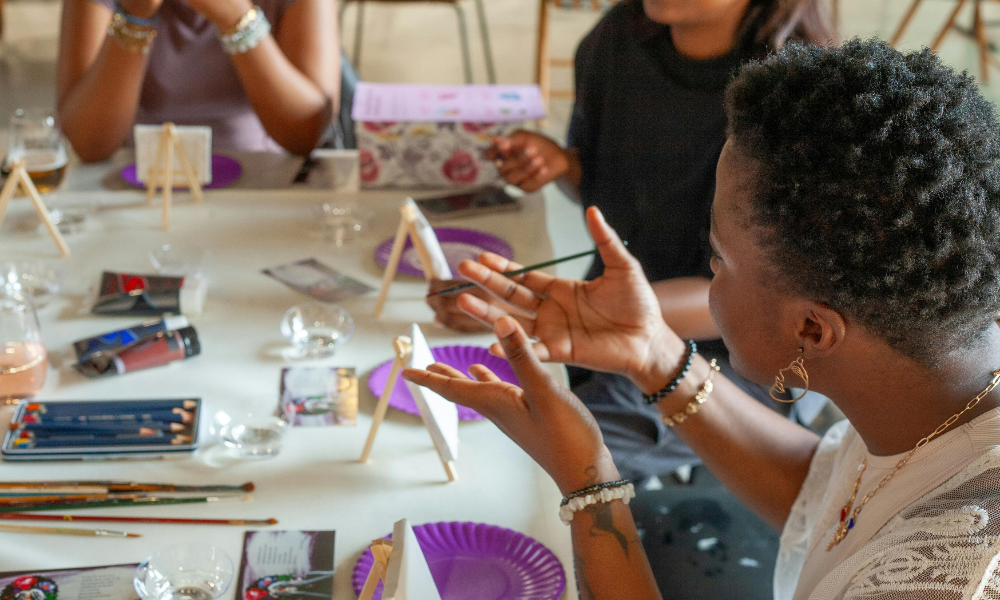
Experiential or Creative Groups
Some groups use art, movement, or experiential activities to support expression and learning. Availability depends on programming and clinician training.

Workshops
Shorter, focused sessions (one-time or limited series) that help people learn a specific skill, such as stress management or communication tools.
How to Join
Joining a group can feel intimidating, especially if you’re new to therapy. We aim to make the process welcoming and clear so you can take the next step with confidence.
A common process includes:

Browse the current groups list and choose an offering that fits your needs and schedule. Each listing should clarify the focus, audience, and expectations so you can decide with confidence.
Submit a short request to join. This helps gather key information and follow up with confirmation, details, and any next steps without confusion.

Receive enrollment guidance and start date information. If an intake is required, we’ll explain what it is and why it helps ensure a supportive group environment.
FAQs
These are some of the most common questions people ask before getting started. If your question isn’t listed here, please reach out. We’re happy to help.
Do I have to be a current client to join a group?
All participants must register before joining a group. Certain groups may also require an intake session.
Are groups in-person or virtual?
All current groups are in-person.

Next Step
If you are ready to begin, the next step is simple: reach out! We will help you understand your options, answer your questions, and connect you with the support that fits your needs. If you are not sure which service is the best fit, that is completely okay. You do not need to have everything figured out before you start, and our team can help guide you.
When you click the button below, you will be directed to the quickest path to get scheduled or to ask a question.